Preparing for Lent
Shrove Tuesday
Shrove Tuesday, also known as Fat Tuesday, Mardi Gras, or Carnival, is a tradition whose history has been lost and whose meaning has often been altered.
This day occurs each year on the day before Ash Wednesday. Many think it is focused on eating as much as possible because we are obligated to fast on Ash Wednesday, but that was not the original intention. It was traditionally intended to be a day of using up the fat, eggs, and dairy in the home – often through making pancakes or other sweets – before fasting during Lent.
Historically, people would abstain from meat, eggs, dairy, and alcohol throughout the entirety of Lent, so the day focused on using up these ingredients so that nothing would be wasted. Many Orthodox Churches continue this practice today. There was also the important element of intentionally taking that time to recognize the blessing of the food that one has.
In addition to the food-related customs, the day traditionally included spiritual practices. Many would go to confession, churches would burn the previous year’s palms from Palm Sunday, and individuals would finalize their Lenten sacrifices. This day is a perfect time to examine where we are in our spiritual lives so that we are best prepared to enter into Lent.
Shrove Tuesday – the original title for the day – comes from the English word shrive, meaning to give absolution for sins in confession – indicating the spiritual focus that was intended.
This Shrove Tuesday, take time to reflect and not overindulge but to truly prepare yourself for Lent and remember the blessing of food you have been given.
Ash Wednesday
Ash Wednesday marks the beginning of Lent and serves as a reminder of repentance, discipleship, and that our time on earth is temporary.
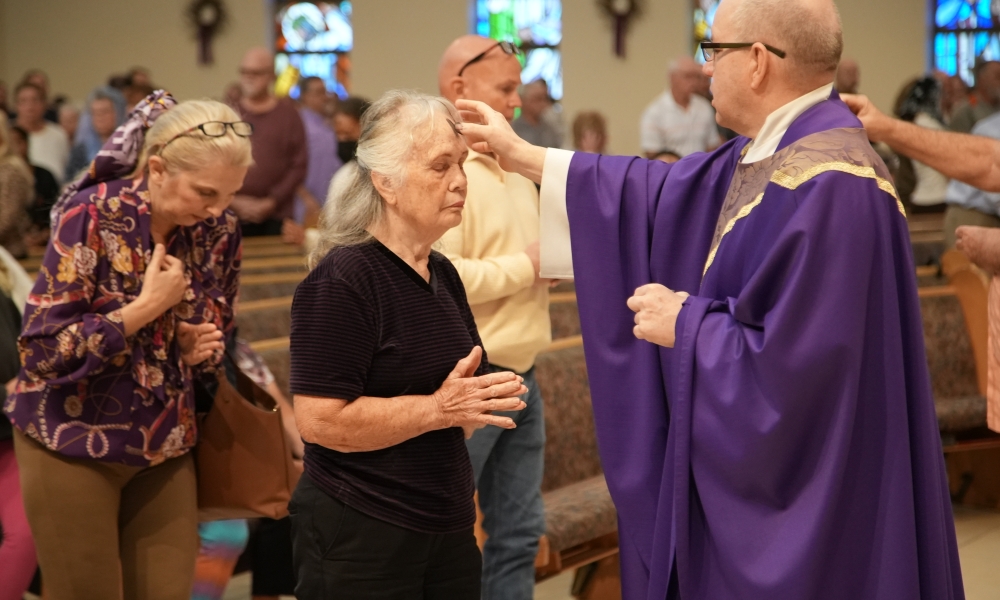
As we receive ashes on our foreheads, the words “Remember you are dust, and to dust you shall return” or “Repent and believe in the Gospel” are spoken over us. These words call us to remember our humanity and that we are sinners in need of repentance.
This tradition developed from biblical examples, including the Ninevites in the Book of Jonah, who did their penance while dressed in sackcloth and ashes. The ashes remain a symbol of penance for us, assisting us in developing a humble and sacrificial spirit as we enter Lent.
The distribution of ashes originated in the early days of the Church. Christians who had committed grave sins would spend forty days in penance and had ashes sprinkled over them. They were turned away and did not enter a church again until Holy Thursday. Today, ashes are distributed to anyone and are no longer tied directly to grave sins, but they are still a reminder that we are human and always in need of repentance.
Ash Wednesday is a day of both fasting and abstinence. The general guidelines for fasting and abstinence are as follows:
- Abstinence from meat is required for those age 14 and older
- Fasting is required for those aged 18 to 59
- Fasting means one full meal is permitted. Alternatively, two small meals are allowed but they cannot together equal the size of a full meal.
The United States Conference of Catholic Bishops (USCCB) also states, “Those that are excused from fast and abstinence outside the age limits include the physically or mentally ill including individuals suffering from chronic illnesses such as diabetes. Also excluded are pregnant or nursing women. In all cases, common sense should prevail, and ill persons should not further jeopardize their health by fasting.”
Let us remember to take the time on Shrove Tuesday and Ash Wednesday to focus on the Lord and prepare so that our hearts may grow closer to Christ throughout Lent.
To view a Lent guide, click here.
For more information about Lent in the Diocese of Saint Petersburg, click here.