Mission of Mercy to India
Getting your Trinity Audio player ready...Dozens of villagers lined up as our mission team arrived at the Star of Hope Clinic in the village of Mattamgudem in India. The state of their health left much to be desired.
Dozens of villagers lined up as our mission team arrived at the Star of Hope Clinic in the village of Mattamgudem in India. The state of their health left much to be desired.
We saw rags covering open sores, physiques shriveled by malnutrition and hard labor, and crutches and prosthetic limbs carved from tree branches.
A year ago, these villagers from the south Indian state of Andhra Pradesh would have had access to little more than folk remedies to treat their ailments.
The nearest hospital is more than an hour away by car in the city of Vijayawada, assuming villagers could afford transportation and hospital fees.
Star of Hope Clinic, built by Our Lady of the Rosary Parish in Land O’ Lakes, is delivering on its promise. Its 10 beds, examination rooms, and pharmacy offer this neglected region a dose of hope along with the medicine.
The clinic was one of four projects Our Lady of the Rosary sponsored in 2025. In early 2026, parishioners embarked on a second mission trip to the Diocese of Vijayawada to check on their progress and scout opportunities for further works of charity.
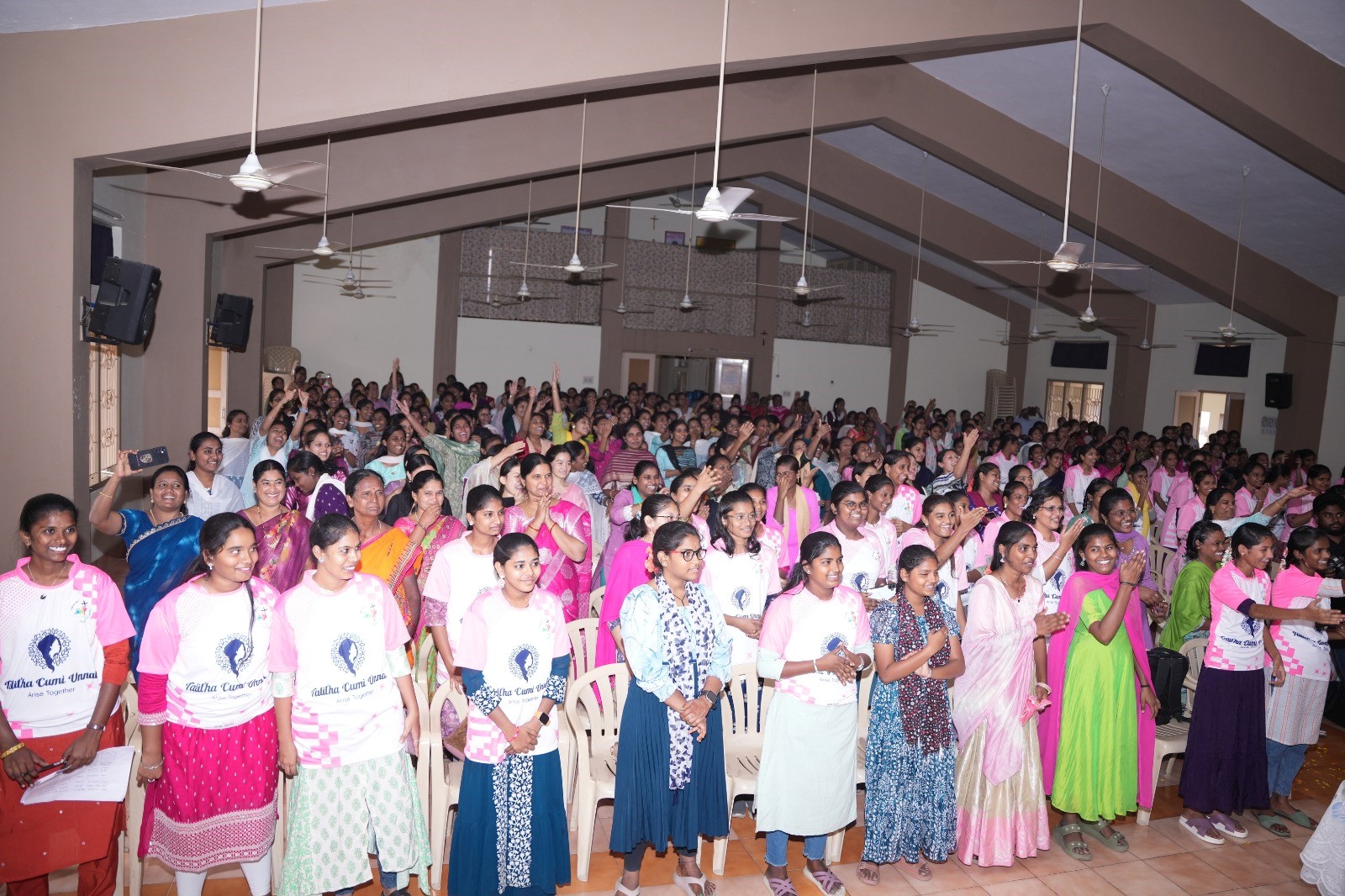
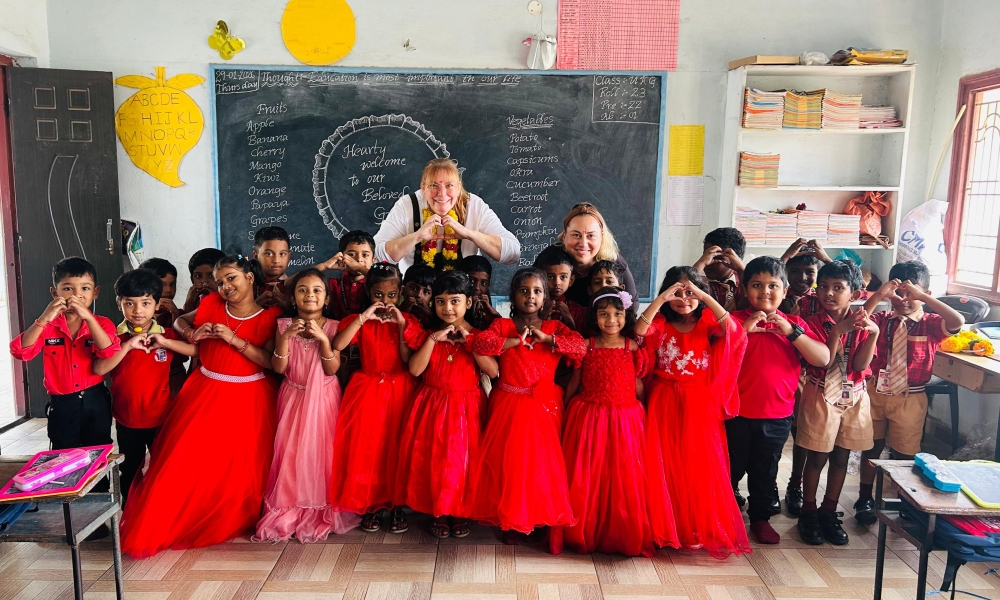
What we witnessed on the 2026 mission trip was inspiring. Thanks to Catholics in the Diocese of Saint Petersburg, 120 teenaged girls, enrollees in the Catholic-run Talitha Cumi Unnati program, each received $365 to continue their studies. Such an amount may seem like a pittance for school tuition in the United States, but it is a force multiplier in rural India.
Surya Hospital serves another cluster of villages in the Vijayawada diocese. Last year, the first mission team discovered its public bathroom consisted mostly of holes in the floor as toilets and buckets as wash basins.
With $8,000 collected by the parish, a new bathroom, gleaming with tile and porcelain, had replaced the former eyesore, raising standards of hygiene for the thousands of patients that pass through Surya.
We also visited the St. Anthony boarding school in the town of Eluru. After Florida parishioners financed construction of a communal washroom and two dormitories, St. Anthony’s could now educate 50 orphaned or abandoned boys.
Our Lady’s Mission Foundation was inspired by Father Raju Chebbatina, who was born, educated and ordained in that part of India. He’s a parochial vicar at Our Lady of the Rosary, a large suburban parish in Land O Lakes, shepherded by Father Justin Paskert, the pastor.
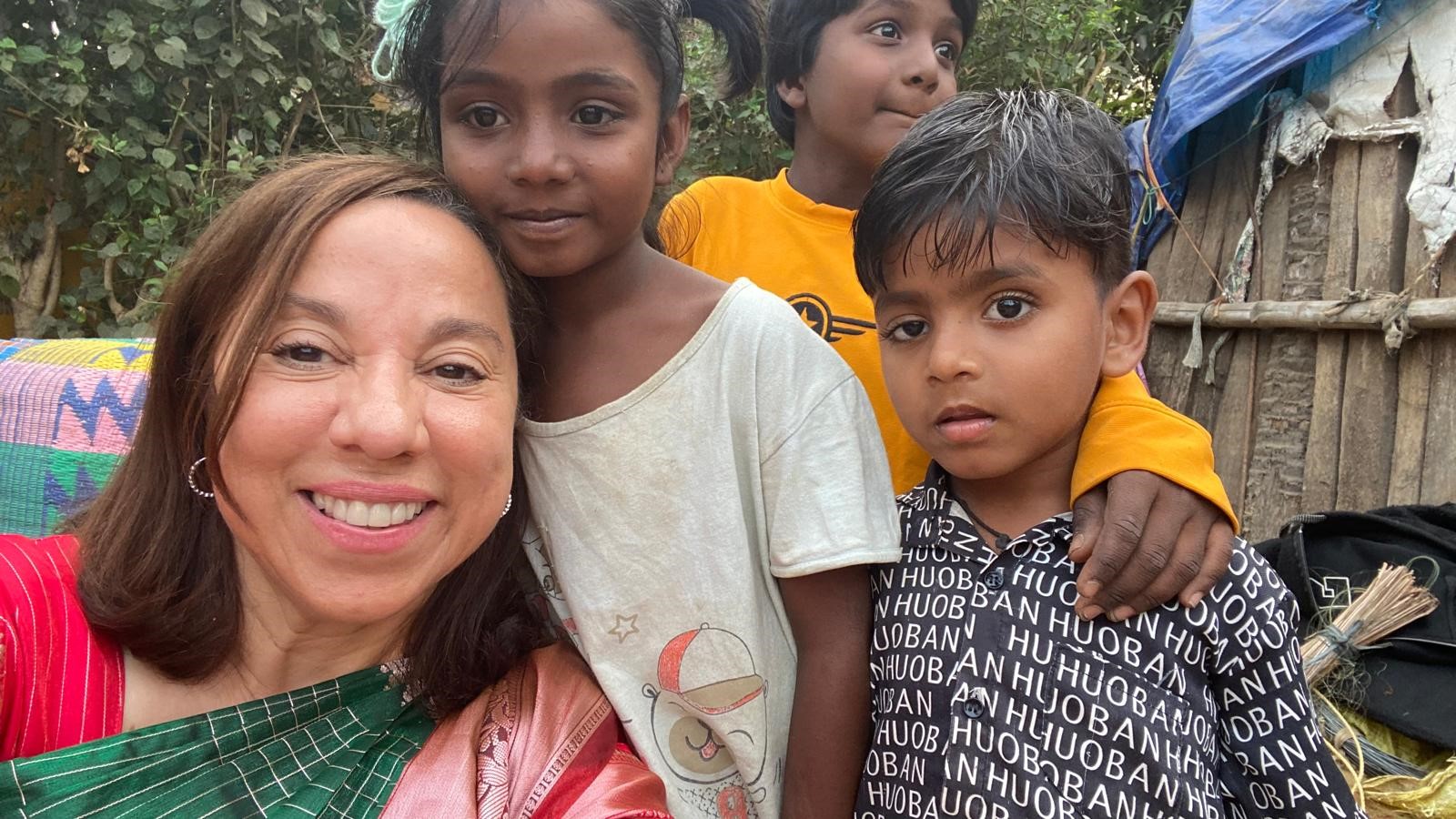
Particularly heartwarming for me were side trips to villages inhabited by local Catholics. These tight-knit communities of Christians remain a tiny minority in the strongly Hindu region.
One of those villages was called Chikkawaram. It was a warm January evening in the tropics when we arrived. Insects chirped over the rice paddies, and monkeys scampered among trees.
Local Catholics emerged from their homes, some roofed with straw, to greet the mission team. Chikkawaram belongs to a circuit of small parishes served by a young, busy priest. Many such parishes began as outposts established decades ago by Italian missionaries.
Visiting these villages, where Catholic worship can take on trappings of Hinduism like towering shrines and food offerings placed before altars, reminds you of St. Paul’s missionary journeys to what today is Greece and Turkey.
Paul planted communities of Christians among the predominant Greco-Roman culture. In India, the missionaries focused on lower caste communities like the so-called untouchables. That focus on the poor and marginalized was probably much the same in ancient times.
In Chikkawaram, we were treated like long-lost family — hugged, blessed, ushered into homes, and graced by a dance demonstration in the small church. Father Chebbatina noted that the villagers viewed us as successors to the Italian missionaries, just as St. Paul had delegated successors like Timothy and Titus to represent him in Corinth, Ephesus, and Philippi.
Our mission team has been blessed not just to ease the plight of thousands of Indians but also to observe the growth of the church in new, fertile pastures.