Easter Lessons From My Years Fishing
As a kid, I loved fishing. I still do. The colors of the water, the feel of the early morning sun on your face, the gentle rhythm of casting a line, the intermingling smells of salt, seaweed, fish, and metal from the pliers, and the quiet anticipation of a tug on the line always drew me in. My dad and I would load up our poles, take drinks and snacks, and head to our favorite spots along Tampa Bay: sometimes the piers near Fort De Soto, other times a quiet inlet or canal tucked away from the busy causeways, or one of our top-secret fishing holes no one is allowed the directions to. On good days we caught mangrove snapper, grouper, sheepshead, and plenty of sea trout, and we often returned home with stories that grew a little taller each year. Other times, the only things biting were grunts, catfish, and ladyfish, not anything we wanted to keep. Those mornings though were always filled with laughter, patience, and conversation, my dad telling stories of his younger days and gently teasing me about the silly things I had done when I was little. The peace and quiet of those waters became a place where I felt connected to him, to nature, and, in ways I didn’t fully understand then, to God.
As a kid, I loved fishing. I still do. The colors of the water, the feel of the early morning sun on your face, the gentle rhythm of casting a line, the intermingling smells of salt, seaweed, fish, and metal from the pliers, and the quiet anticipation of a tug on the line always drew me in. My dad and I would load up our poles, take drinks and snacks, and head to our favorite spots along Tampa Bay: sometimes the piers near Fort De Soto, other times a quiet inlet or canal tucked away from the busy causeways, or one of our top-secret fishing holes no one is allowed the directions to. On good days we caught mangrove snapper, grouper, sheepshead, and plenty of sea trout, and we often returned home with stories that grew a little taller each year. Other times, the only things biting were grunts, catfish, and ladyfish, not anything we wanted to keep. Those mornings though were always filled with laughter, patience, and conversation, my dad telling stories of his younger days and gently teasing me about the silly things I had done when I was little. The peace and quiet of those waters became a place where I felt connected to him, to nature, and, in ways I didn’t fully understand then, to God.
Looking back now, I realize that fishing taught me something about faith, something the disciples themselves experienced after the Resurrection.
When the Disciples Went Back to Fishing
After Jesus rose from the dead, His disciples didn’t immediately understand what came next. They had followed Him for three years, witnessed His miracles, and endured the grief of His Passion and death. Even after the Resurrection, they struggled to grasp what it meant for their lives.
So what did they do? They returned to the familiar.
They went fishing.
In John 21:3–6, we read: “Simon Peter said to them, ‘I am going fishing.’ They said to him, ‘We also will come with you.’ So they went out and got into the boat, but that night they caught nothing. When it was already dawn, Jesus was standing on the shore; but the disciples did not realize that it was Jesus. Jesus said to them, ‘Children, have you caught anything to eat?’ They answered Him, ‘No.’ So He said to them, ‘Cast the net over the right side of the boat and you will find something.’ So they cast it, and were not able to pull it in because of the number of fish.”
I imagine Peter and the others needed the familiar rhythms of work and quiet to process the events they had lived through. In some ways, we can relate: when grief, confusion or fear strikes, we often retreat to what we know. The disciples went back to fishing, just as we sometimes return to routines that feel safe.
Jesus Meets Us Where We Are
Jesus didn’t scold them for returning to the boat. He met them where they were, prepared a meal for them, and then called them to their mission. “Feed my sheep,” He said to Peter. (John 21:17) Jesus nourished them, restored them, and sent them into the world with purpose.
Like the disciples, we are called to follow Him courageously. Our daily lives may feel ordinary or repetitive, like the quiet hours spent fishing or the routines of work and family. Yet Christ stands at the shore of our lives, meeting us in our ordinary moments, feeding our souls and sending us into the world to live the Gospel boldly.
Easter Lessons from the Water
Fishing requires patience, attention, and trust. You cast your line without knowing what will happen. You wait, you watch, and you trust the process. Sometimes you come home with a cooler full of fish; other times you leave with only stories.
Faith works the same way. We may feel uncertain or anxious, unsure of how God is moving in our lives. Yet Easter reminds us that Christ’s Resurrection transforms even ordinary moments. Just as the disciples’ nets overflowed at His command, God can fill our hearts with hope, courage, and purpose, even when we least expect it.
The waters of Tampa Bay — calm at sunrise, unpredictable by afternoon — mirror the rhythms of our spiritual journey. Peaceful times and storms alternate, yet Christ’s presence remains steady. He calls us out of comfort zones, sends us beyond our fears, and invites us to cast our nets wide.
Sent into the World
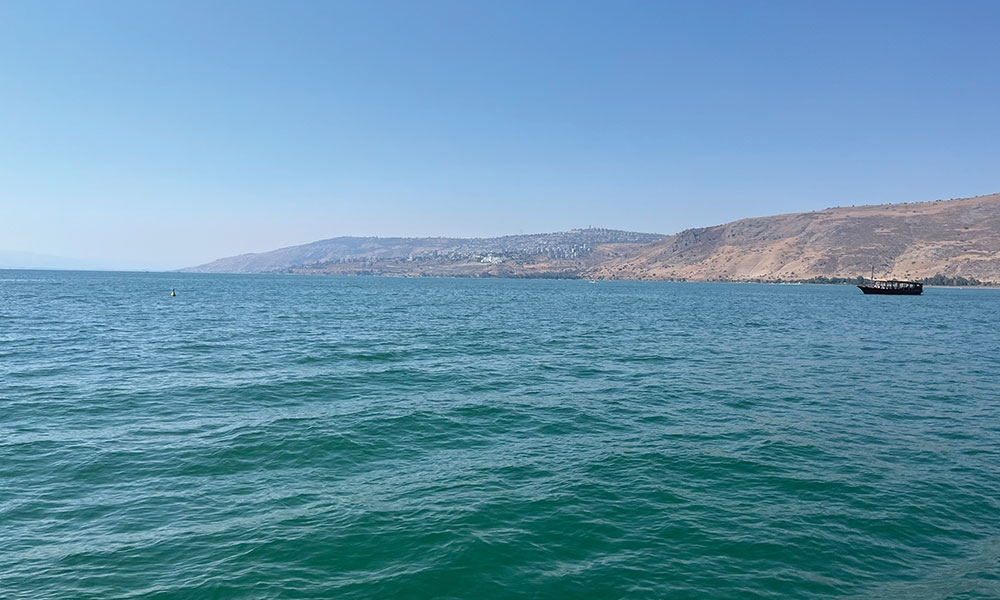
After Easter, the disciples left the Sea of Galilee changed. They were not just fishermen anymore; they had become bold witnesses sent to proclaim the Resurrection to the world. In Luke 5:10, Jesus tells Peter, “Do not be afraid; from now on you will be catching men.” Their courage did not come from their own strength, but from encountering the risen Christ.
Each Easter, as we celebrate the Resurrection, we too are nourished and sent. We are called to go out into the world, into our families, workplaces, parishes, and communities, sharing the hope and joy we have received. Like the disciples, our mission is to live courageously, following Christ’s example of love and service.
A Tradition That Lives On
Today, when I see families fishing along Tampa’s piers or walking the shoreline with rods in hand, I’m reminded of those early mornings with my dad. The laughter, the stories, the quiet moments of reflection were more than a pastime. They were a place where faith, life, and hope intersected.
Fishing taught me to wait patiently, trust the process, and rejoice in unexpected blessings. Easter taught me that Christ meets us in ordinary moments, feeds our souls, and sends us boldly into the world. And perhaps the greatest lesson of all is this: God is with us, along every step of our journey, and he calls us to respond with courage, bringing His love and hope to those around us.
Journal Prompts: From Empty to Full
As we walk from Holy Thursday to Easter, the Lord leads us from emptiness to the fullness of His risen life, step by step, page by page. Each day, take 5–10 minutes to sit quietly, read the Scripture noted, and let one word or image linger. Write from the heart — no polishing, just truth before God.
- Holy Thursday — Emptied in Love: Where is Jesus inviting me to serve quietly today? Whose “feet” can I wash in hidden charity? Scripture: John 13:1–15.
- Good Friday — Entrusting What Hurts: What grief, sin, or fear do I place at the foot of the Cross? What must “die” so love can live? Scripture: John 19:25–30.
- Holy Saturday — Waiting in the Silence: What emptiness do I hold with Mary today? How can I wait with hope when God seems quiet? Scripture: Psalm 130.
- Easter Sunday — Risen Joy in Daily Life: Where do I see signs of new life? What concrete step will I take to share Easter hope this week? Scripture: John 20:11–18 or Luke 24:13–35.